Controlled-Substance Tracking and Drug Addiction Resources in Ohio
Ohio’s approach to controlled-substance monitoring sits at the intersection of public health, clinical judgment, patient privacy, and real human need. For people living with drug addiction, and for families trying to understand what help exists, the system can feel technical from the outside. Acronyms, prescribing rules, treatment levels, provider certifications, and medication decisions all blur together at the exact moment when clarity matters most.
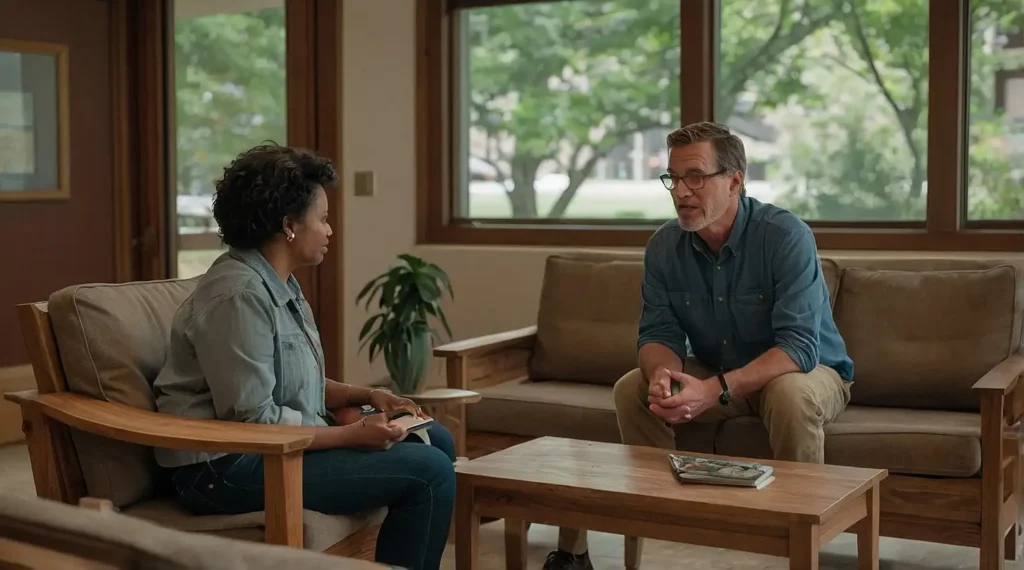
The practical purpose is more grounded than the paperwork suggests. Ohio uses controlled-substance monitoring to help prescribers and pharmacists make safer decisions, identify patterns that may indicate risk, and connect people with support rather than allow dangerous use to continue unnoticed. At the same time, Ohio law recognizes that treatment cannot be one-size-fits-all. A person withdrawing from opioids may need medical detoxification before they can engage in counseling. Someone else may be stable enough for outpatient care but still need medication-assisted treatment, peer support, and recovery housing. A third person may be dealing with depression, trauma, or anxiety alongside substance use, which changes the clinical picture entirely.
The strongest systems make room for all of those realities. Monitoring alone does not treat addiction. Treatment without responsible prescribing can miss warning signs. Ohio’s framework tries to bring those pieces together through a statewide drug-monitoring database, certified treatment providers, and a required community-based continuum of care for opioid and co-occurring drug addiction.
What controlled-substance monitoring means in Ohio
Ohio’s statewide controlled-substance monitoring system is known as OARRS, the Ohio Automated Rx Reporting System. It is an electronic database that collects controlled-substance dispensing information. In plain language, it helps authorized healthcare professionals see when controlled medications have been dispensed, so they can prescribe and counsel with better information.
That distinction matters. OARRS is not treatment by itself, and it is not a diagnosis. It is a clinical and safety tool. A prescriber reviewing a patient’s history may notice overlapping prescriptions, multiple dispensing locations, or medication combinations that raise concern. A pharmacist may use the same type of information to support safer dispensing decisions. The point is not simply to restrict access to medication. The point is to reduce preventable harm and help identify situations where a person may be at risk for substance use disorder, overdose, or unsafe medication interactions.
Anyone who has worked near addiction care knows the difference between a punitive conversation and a useful one. A punitive conversation begins with suspicion and usually ends with shame. A useful conversation begins with facts, asks what is happening, and opens a door to help. Monitoring data can support the second kind of conversation when clinicians use it carefully.
For example, a patient may have a complicated surgical history, several prescribers, and legitimate pain needs. Another patient may be escalating use because withdrawal symptoms have become unbearable. A third may be taking medications exactly as directed, but receiving prescriptions from different specialists who have not communicated well. OARRS data can show patterns, but the professional still has to interpret those patterns in context.
Why monitoring matters for drug addiction care
Drug addiction often develops in ways that are easier to see in hindsight than in the moment. A person may begin with prescribed medication after an injury. Another may use opioids or other substances outside medical care and then cycle through periods of abstinence, relapse, and withdrawal. Families may notice missing money, mood changes, sleep disruption, or secrecy, but they rarely have a clean explanation at first. Healthcare professionals sometimes see only one narrow slice of the story.
Controlled-substance monitoring gives clinicians another source of information. When used well, it can help flag dangerous duplication, risky medication combinations, or patterns that call for a more direct discussion. That discussion may lead to safer prescribing, a referral to drug addiction treatment, medication-assisted treatment, or a higher level of care.
The risk, of course, is that monitoring data can be misread. A high number of prescriptions does not automatically mean addiction. A person with cancer pain, severe injury, complex surgery, or chronic illness may have a medication history that looks unusual to someone who lacks context. On the other side, a person with serious substance use disorder may not appear in a prescription database if they are using non-prescribed substances. Monitoring helps, but it does not replace clinical assessment.
That is why Ohio’s broader care structure matters. The state does not rely only on tracking controlled substances. Ohio law requires a community-based continuum of care for opioid and co-occurring drug addiction. That continuum includes multiple levels of service, from ambulatory and sub-acute detoxification to outpatient treatment, medication-assisted treatment, peer support, residential services, recovery housing, and multiple pathways to recovery. The legal framework reflects a basic clinical truth: people need different kinds of support at different moments.
The Ohio continuum of care, in practical terms
The phrase “continuum of care” can sound like administrative language, but it describes something families recognize quickly once they enter the treatment system. Recovery is rarely a single appointment. It is usually a sequence of decisions: Does the person need detox? Can they safely sleep at home? Are they using opioids, alcohol, stimulants, benzodiazepines, or multiple substances? Is there a co-occurring mental health condition? Is the home environment safe? Is medication-assisted treatment appropriate? Will outpatient counseling be enough?
Ohio’s required continuum for opioid and co-occurring drug addiction includes several major categories of support:
- Ambulatory and sub-acute detoxification for people who need help managing withdrawal.
- Non-intensive and intensive outpatient services for people who can participate in treatment while living outside a residential setting.
- Medication-assisted treatment, often called MAT, when clinically appropriate.
- Peer support, residential services, recovery housing, and multiple pathways to recovery.
- Services that account for co-occurring drug addiction and related needs rather than treating every case as identical.
Those categories are not interchangeable. Detoxification helps the body move through withdrawal, but it is not the same as longer-term treatment. Outpatient counseling can be highly effective for some people, but it may not provide enough structure for someone in an unstable or high-risk environment. Residential treatment may create space for stabilization, but discharge planning still matters because recovery continues after the residential stay ends. Medication-assisted treatment can reduce risk and support stability for many people with opioid use disorder, but it should be delivered within thoughtful clinical care, not treated as a stand-alone shortcut.
The best level of care is the one that matches the person’s medical risk, substance use history, mental health needs, motivation, environment, and available supports. In real practice, that match may change. Someone may enter detox, step into residential care, move to intensive outpatient treatment, and later continue with standard outpatient care and peer support. Someone else may begin with outpatient treatment, realize they need more structure, and transfer into a residential setting. A good system allows movement rather than treating every change as failure.
Certified providers and why that matters
Ohio treatment providers that deliver substance use disorder treatment must be certified by the Ohio Department of Mental Health and Addiction Services under state law. Certification does not guarantee that every program is the perfect fit for every person, but it creates a baseline expectation that providers operate within state requirements for substance use disorder treatment.
For families, this point is practical. When panic sets in, people often search quickly and call the first program that answers. A polished website or a warm phone call can be reassuring, but certification matters. Substance use disorder treatment involves medical, psychiatric, ethical, and safety considerations. Detoxification, residential care, medication decisions, therapy services, discharge planning, and coordination with other providers all require appropriate structure.
Certification is also relevant because people with drug addiction are often vulnerable when they seek help. They may be physically ill, ashamed, frightened of withdrawal, under pressure from family, or facing legal, employment, or housing consequences. A certified provider is not merely selling motivation. It is operating in a regulated treatment environment.
That does not mean families should stop asking questions. They should still ask what levels of care are offered, whether medication-assisted treatment is available when appropriate, how mental health symptoms are assessed, what happens after discharge, and how family involvement works. A professional program should be able to answer those questions clearly without making guarantees it cannot honestly make.
How OARRS can open a door to help
The most constructive use of a drug-monitoring system is not catching people. It is catching risk before it becomes fatal or medically catastrophic. In addiction care, timing matters. A brief intervention at the right moment can redirect someone who is ambivalent. A careful medication review can prevent dangerous combinations. A referral made during a moment of honesty can lead to treatment that a person might not have accepted a month earlier.
Imagine a primary care visit where a patient requests a controlled medication earlier than expected. Without monitoring data, the clinician may have only the patient’s explanation and the chart in front of them. With OARRS, the clinician may see a broader dispensing history. That history might reveal a misunderstanding, a fragmented care pattern, or a more serious concern. The next step should be a direct, professional conversation: what are you taking, how often, what happens if you stop, are you feeling withdrawal, are you using anything not prescribed, and do you feel in control of it?
Those questions can be uncomfortable, but discomfort is not the enemy. Silence is. Many people with addiction have spent months or years managing appearances. A clinician who can say, “I’m concerned about your safety, and there are treatment options,” may be the first professional to name the problem without condemnation.
Families can also misunderstand the role of monitoring. OARRS is not a public search tool for relatives, and it should not be treated like a way to investigate someone privately. Its purpose is tied to healthcare use by authorized professionals. Family members can, however, encourage their loved one to be honest with prescribers and pharmacists, especially about all medications and substances being used. That honesty can prevent harm.
Drug addiction treatment is more than detox
One of the most common misconceptions is that detoxification equals treatment. Detox can be essential. For some substances and some medical situations, withdrawal can be dangerous and should be managed by professionals. Even when withdrawal is not life-threatening, it can be so physically and emotionally distressing that a person returns to use simply to stop feeling sick.
But detox addresses the acute physical process. Drug addiction treatment must go further. It needs to address cravings, triggers, mental health symptoms, relationships, routines, trauma histories when present, and the practical realities of returning to daily life. Treatment should help a person understand not only how to stop using for a few days, but how to build enough stability to keep choosing recovery when stress returns.
Medication-assisted treatment deserves particular attention because it is sometimes misunderstood. Within Ohio’s continuum of care, MAT is recognized as an important service. For opioid use disorder, medication can reduce cravings and support recovery when clinically appropriate. It is not a moral compromise. It is a medical tool that can be part of a larger care plan. The larger care plan may include therapy, peer support, monitoring, family work, and step-down services.
Outpatient treatment also varies. Non-intensive outpatient services may fit someone who has stable housing, lower medical risk, and enough support to practice recovery skills while living at home. Intensive outpatient services offer more structure and frequency while still allowing the person to remain outside a residential setting. Residential services offer a more contained environment, which may be important when the person’s home setting is unstable, substance exposure is constant, or symptoms require closer support.
Recovery housing can play a different role. It is not the same as detox, therapy, or residential treatment, but stable recovery-oriented housing can be vital for people whose living environment threatens early recovery. Peer support can also be powerful because it brings lived experience into the recovery process. Many people hear advice differently when it comes from someone who has walked the same road and stayed engaged in recovery.
Co-occurring mental health needs
Ohio’s framework specifically includes opioid and co-occurring drug addiction, and in practice, co-occurring mental health needs are often part of the picture. Depression, anxiety, trauma-related symptoms, mood instability, and grief can complicate substance use and recovery. Sometimes substances begin as a way to cope with symptoms. Sometimes prolonged use worsens psychiatric symptoms. Often, the relationship runs both ways.
Treating addiction while ignoring mental health can leave a person under-supported. Treating mental health while avoiding direct discussion of substance use can be equally ineffective. A person who drinks heavily to sleep, uses opioids to numb emotional pain, or relies on stimulants to function through depression needs integrated thinking, even if services are delivered by different professionals.
This is where level of care and provider capability become important. Some facilities provide primary mental health services in a residential treatment setting. Some offer therapies that may include cognitive behavioral therapy, dialectical behavior therapy, EMDR, individual therapy, group therapy, family therapy, or couples therapy. The right fit depends on assessment, diagnosis, risk, and the person’s readiness to engage.
Not every therapy is right for every stage of recovery. Deep trauma processing, for example, may not be appropriate during acute withdrawal or early medical instability. Skills-based approaches may be more useful first, especially when someone needs help tolerating cravings, regulating emotions, and getting through the day without returning to use. Clinical judgment matters.
A closer look at treatment resources near Columbus
Ohio has treatment resources across different communities, and families often look for care near major population centers because travel, visitation, work, and aftercare coordination can affect follow-through. Recreate Behavioral Health Network states that its Ohio location, Recreate Behavioral Health of Ohio, also referred to as Recreate Ohio, is in Gahanna, just outside Columbus. The organization says this facility offers detox, residential or inpatient rehab, and outpatient treatment.
That combination matters because movement between levels of care can be a practical challenge. A person who begins in detox may need residential treatment immediately afterward. Another may step down to outpatient treatment once stabilized. When a facility describes a full continuum of care, families should still ask specific questions, but the concept is important: treatment should not stop abruptly after the first phase.
Recreate also states that its Ohio facility offers primary mental health services in a residential treatment setting. For people with co-occurring mental health symptoms, that may be a significant part of the treatment conversation. The organization says treatment may include CBT, DBT, EMDR, medication-assisted treatment, individual therapy, group therapy, family therapy, and couples therapy. It also describes holistic supports that may include yoga and mindfulness, art therapy, adventure therapy, equine therapy, Reiki, acupuncture, chiropractic care, fitness and wellness activities, and nutrition education.
Those services should be understood in proper proportion. Evidence-based clinical care, medical safety, appropriate level of care, and qualified staff remain the foundation of drug addiction treatment. Holistic supports may help some people engage, reduce stress, or reconnect with their bodies in healthier ways, but they should not substitute for medical and therapeutic treatment when addiction is severe. A balanced program knows the difference.
Families considering any provider, including one near Columbus, should ask direct questions about certification, assessment, detox protocols, medication-assisted treatment, mental health services, family involvement, discharge planning, and what happens if the person needs a different level of care than originally expected. Good treatment planning is specific. It does not rely on vague promises.
What families should ask before choosing care
The first phone call to a treatment provider can feel overwhelming. People often ask about beds, cost, insurance, and how quickly admission can happen. Those questions matter, but they are not the only ones. The quality of the match matters too.
A concise set of questions can keep the conversation focused:
- Is the provider certified to deliver substance use disorder treatment in Ohio?
- What levels of care are available, such as detox, residential treatment, intensive outpatient treatment, outpatient care, medication-assisted treatment, peer support, or recovery housing coordination?
- How does the program assess co-occurring mental health needs?
- What role can family members or partners play in treatment?
- What discharge planning and continuing care support are provided after the initial level of care ends?
The answers should be clear enough that a family can repeat them later. If the explanation is confusing, ask again. If a provider guarantees a cure, minimizes medical risks, or pressures a decision without answering basic clinical questions, that is a reason to slow down. Urgency is common in addiction treatment, especially when withdrawal or overdose risk is present, but urgency should not erase informed decision-making.
The role of prescribers and pharmacists
Prescribers and pharmacists carry a difficult responsibility in controlled-substance care. They must treat pain, anxiety, attention disorders, surgical recovery, and other legitimate medical conditions while also guarding against misuse, diversion, unsafe combinations, and worsening substance use disorder. OARRS gives them information, but the human part of the work remains demanding.
A prescriber may need to say no to a requested medication while still offering help. A pharmacist may need to pause a dispensing decision and contact a prescriber. Those moments can upset patients, especially if they feel accused or abandoned. The professional tone matters. “I will not fill this” lands differently than “I’m concerned about the safety of this combination, and I want to help resolve it.”
People with addiction often expect rejection. Many have been judged harshly in healthcare settings, sometimes because of their behavior, sometimes because of stigma, sometimes both. A safer prescribing decision can still be compassionate. A referral to drug addiction treatment can be firm without being humiliating. Boundaries and care are not opposites.
The same principle applies when medication-assisted treatment is involved. Clinicians who provide or refer for MAT need to view it as part of legitimate medical care. Pharmacists who dispense related medications also play a role in continuity and safety. The more the system treats addiction as a medical condition with behavioral, social, and psychological dimensions, the more likely people are to stay engaged.
Privacy, stigma, and the fear of being labeled
Many people avoid help because they fear the label “addict” will follow them forever. They worry about employment, family judgment, custody issues, medical bias, or being denied pain treatment in the future. Those fears are not imaginary. Stigma still affects how people experience healthcare and community life.
Controlled-substance monitoring can intensify those fears if people believe it exists only to punish them. Professionals should explain its purpose plainly: it supports safer prescribing and helps identify risk. It should be paired with conversation, assessment, and resources. When patients understand that the goal is safety and treatment access, some of the defensiveness softens.
Language also matters. “Drug-seeking” may describe a behavior in clinical shorthand, but it can flatten a person into a stereotype. “Substance use disorder,” “opioid use disorder,” “withdrawal,” “craving,” and “loss of control” are more precise. Precision helps because addiction is not just bad behavior, and it is not just chemistry. It is a condition that affects judgment, motivation, stress response, relationships, and physical health.
Families can reduce stigma by speaking concretely. Instead of saying, “You’re ruining everything,” it is usually more useful to say, “I’m scared because you stopped breathing last month,” or “I found pills from three different sources, and I think we need professional help.” Specific observations are harder to dismiss and less likely to spiral into name-calling.
When outpatient care may not be enough
Outpatient treatment can be effective, especially when a person has stable housing, transportation, some recovery motivation, and a manageable level of medical risk. It also allows people to maintain work, school, caregiving, or other obligations. For many, that flexibility is the reason treatment is possible.
But outpatient care has limits. If someone returns every night to a home where substances are present, where conflict is constant, or where no one supports recovery, outpatient appointments may not provide enough containment. If withdrawal symptoms are severe, detox may be necessary first. If mental health symptoms are acute or the person cannot stop using despite repeated attempts, residential services may offer a safer starting point.
This is not a matter of willpower. The brain and body under addiction pressure do not respond reliably to good intentions. A person may sincerely promise to stop in the morning and use again by evening because withdrawal, craving, fear, and access overwhelm the plan. Higher levels of care exist because some people need more structure than a weekly appointment can provide.
The reverse is also true. Residential treatment is not automatically better for everyone. Some people do well in outpatient care, especially with medication-assisted treatment, therapy, peer support, and a stable home environment. Over-treating can disrupt employment or family life unnecessarily. The right question is not “What is the most intense option?” It https://www.recreateohio.com/addiction/alcoholism/ is “What level of care is clinically appropriate right now?”
Multiple pathways to recovery
Ohio’s required continuum recognizes multiple pathways to recovery. That phrase carries real weight. Recovery does not look identical for every person. Some people build their recovery around medication-assisted treatment. Some rely heavily on peer support. Some engage deeply in therapy. Some need recovery housing. Some combine clinical care, family repair, spiritual practices, fitness, nutrition, and community accountability.
A rigid approach can push people away. If a person is told there is only one acceptable pathway, they may reject help altogether. A more effective approach sets clear safety expectations while allowing individualized recovery planning. The essentials are engagement, reduced harm, improved functioning, and sustained movement away from destructive substance use.
That flexibility is especially important for people with co-occurring conditions. A person with trauma symptoms may need pacing and emotional safety. A person with severe anxiety may struggle with groups at first. A person with family conflict may need couples or family therapy as part of the broader plan. A person who has relapsed after prior treatment may need a different level of care rather than another repeat of the same approach.
Multiple pathways do not mean anything goes. They mean the treatment plan should match the person, draw from appropriate clinical tools, and adjust as recovery unfolds.
What a safer Ohio system looks like in daily practice
A safer system is not just a database, a statute, or a treatment directory. It is a chain of decisions made by people who understand both risk and dignity.
It looks like a prescriber checking controlled-substance history before continuing a medication and then speaking honestly with the patient. It looks like a pharmacist identifying a dangerous overlap and taking the time to clarify rather than quietly dispensing or abruptly refusing. It looks like a treatment provider assessing withdrawal risk, mental health symptoms, family dynamics, and recovery environment before recommending a level of care. It looks like peer support helping someone get through the vulnerable stretch after discharge. It looks like recovery housing giving structure to a person who cannot safely return to their old environment.
It also looks like families learning enough to ask better questions. Not perfect questions, just better ones. Is this provider certified? Does my loved one need detox? Is medication-assisted treatment available? What happens after residential care? Are mental health symptoms being treated? How will relapse risk be handled without shame or denial?
Drug addiction treatment works best when systems do not operate in isolation. Monitoring should lead to conversation. Conversation should lead to assessment. Assessment should lead to the right level of care. Care should lead to continuing support. When one link breaks, people fall through.
Ohio has built important pieces into its framework: OARRS for controlled-substance monitoring, state certification requirements for providers delivering substance use disorder treatment, and a legally recognized continuum of care that includes detoxification, outpatient services, medication-assisted treatment, peer support, residential services, recovery housing, and multiple recovery pathways. For individuals and families, the task is to use those pieces wisely and seek care that treats addiction as the complex, treatable condition it is.
The first step may be a difficult conversation in a doctor’s office, a call to a certified treatment provider, or an admission that outpatient promises are no longer enough. Whatever the entry point, the goal is the same: safer medication practices, timely access to help, and a path toward recovery that can hold up after the crisis passes.
Corrections
Spot something wrong? Send it to the desk and it gets fixed in the open.